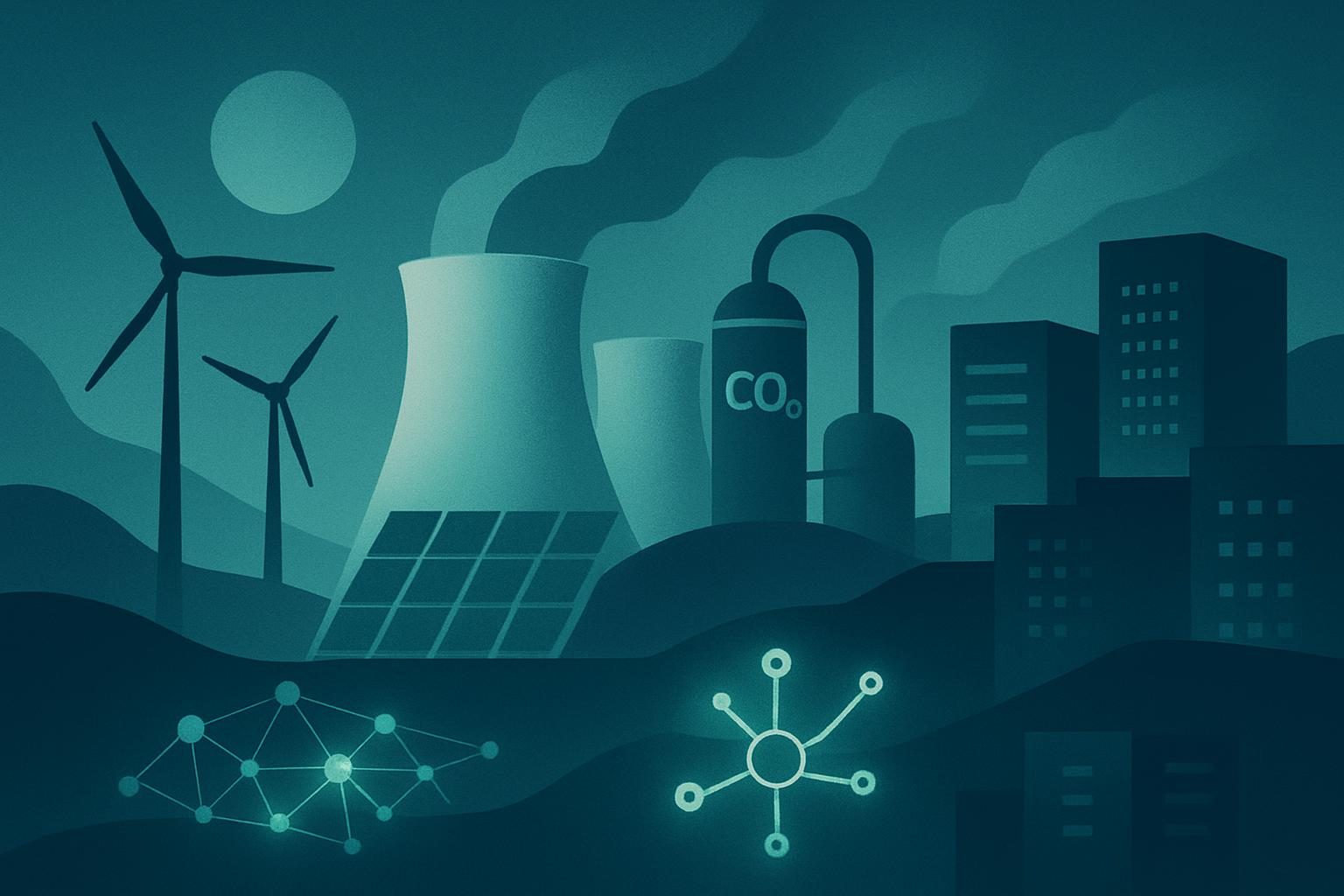
The MIT Energy Initiative (MITEI) hosted its annual research conference on September 22-23, 2026, gathering over 200 participants including faculty, industry representatives, and researchers worldwide. The event focused on the energy transition during a pivotal moment, exploring innovations from immediate deployment to early-stage scientific breakthroughs.
Keynote speaker Eric Toone of Breakthrough Energy underscored the link between prosperity and emissions in today's world, while expressing optimism about emerging technologies like iron-air batteries and vacuum-insulated windows that promise zero-carbon alternatives. The conference demonstrated progress across decarbonization efforts, highlighting projects revitalizing nuclear power plants and deploying mature reactor technologies globally.
Carbon utilization was a significant topic, with discussions led by MITEI deputy director Carolyn Ruppel emphasizing mass-scale applications for captured CO₂, such as structural materials for vehicles and buildings. Researchers like Nicola Ferralis and Admir Masic presented advancements including self-heating concrete panels and new energy-storing concrete, addressing the need for scalable bulk energy storage solutions.
Startups linked to MITEI showcased commercialization pathways for novel technologies ranging from AI tools optimizing electrical grids to drone-based solar farm inspections and robotic power line monitoring. Panelists agreed that successful ventures require clear problem identification and scalable deployment to meet industry demands.
Fundamental science remains critical, as evidenced by presentations on quantum computing and sensing technologies. Quantum sensors using diamond-based detectors and lidar with single-photon detectors offer new methods for monitoring materials and emissions, potentially transforming battery diagnostics and environmental sensing.
The rapid expansion of AI and associated energy-intensive data centers poses new challenges. Experts highlighted that hyperscale AI facilities consume electricity comparable to entire cities, risking increased fossil fuel dependence with substantial climate and health costs. Effective mitigation requires clean energy integration and strong community engagement.
Community trust emerged as central to sustainable energy infrastructure deployment. Advocates recommended transparent, early communication and negotiations leading to community benefits agreements that incorporate local priorities, workforce development, and environmental safeguards. These approaches emphasize proceeding deliberately at the "speed of trust."
Overall, the conference underscored the complexity of the energy transition, requiring interdisciplinary efforts spanning technology innovation, policy, sociology, and economics to develop scalable, community-supported energy solutions.
Source & further reading
Powering up for a pivotal moment ↗Source published 2026-11-02. This report was prepared with AI assistance from the linked primary-source material. Claims and limitations should be checked against the original announcement or research.